

As surgical procedures become more complex and technology-driven, traditional operating rooms are increasingly challenged by fragmented equipment, inefficient workflows, and limited connectivity. To address these issues, many hospitals are turning to Integrated Operating Rooms (Integrated ORs) — a modern approach that brings devices, data, and control systems together into one coordinated surgical environment.
Rather than focusing on individual pieces of equipment, integrated ORs are designed around workflow efficiency, clinical safety, and future scalability, helping surgical teams perform at a higher level while improving overall operating room utilization.
What Is an Integrated Operating Room?
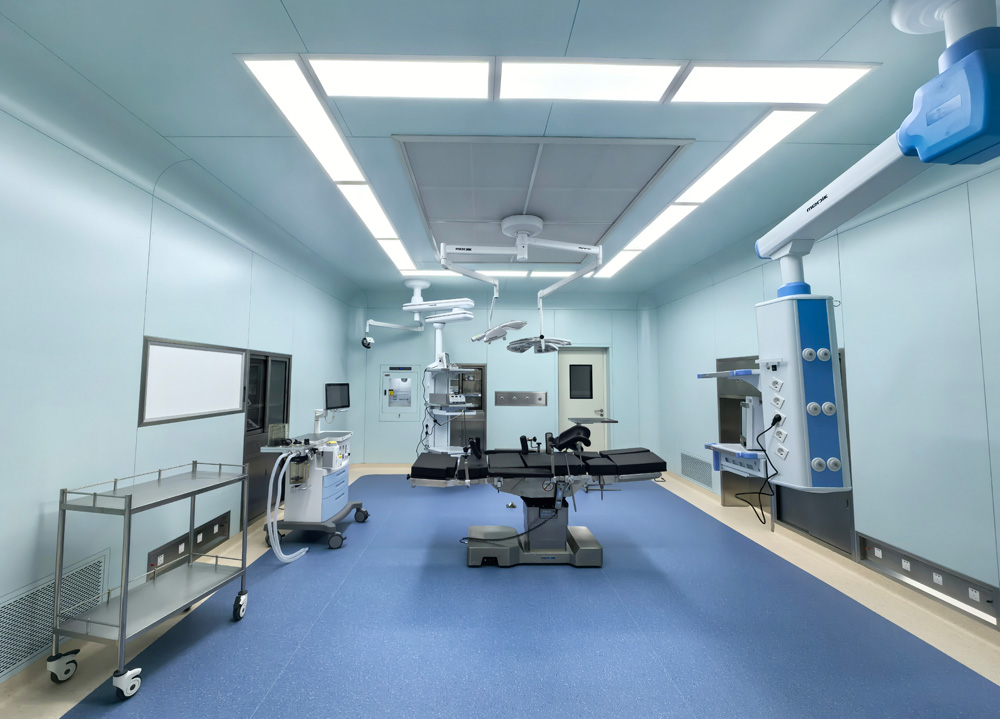
An Integrated Operating Room is a surgical suite where key systems — such as surgical lights, medical booms, imaging sources, monitors, audiovisual equipment, and hospital IT platforms — are interconnected and centrally managed.
Instead of relying on multiple standalone devices and mobile carts, an integrated OR allows surgeons and staff to control equipment, view images, and access patient information through a unified interface. The result is a cleaner, more organized, and more responsive operating room.
Why Hospitals Are Moving Toward OR Integration
1. Streamlined Surgical Workflow
In a conventional OR, clinicians often need to move between different devices or rely on staff to adjust equipment during surgery. Integrated OR systems reduce these interruptions by enabling centralized control of displays, lighting, video routing, and imaging sources.
This streamlined workflow helps:
• Reduce unnecessary delays during procedures
• Improve coordination among the surgical team
• Keep surgeons focused on the operative field
Even small efficiency gains per procedure can translate into significant improvements in daily OR throughput.
2. Improved Safety and Space Management
Operating rooms are high-risk environments where clutter and cable congestion can compromise both safety and sterility. Integrated ORs address this challenge by shifting equipment off the floor and into ceiling-mounted or wall-mounted systems.
With medical booms, integrated displays, and ceiling-mounted surgical lights, hospitals can:
• Minimize trip hazards
• Improve infection control
• Create a more ergonomic workspace for clinicians
A well-organized OR is not only safer, but also easier to clean and maintain.
3. Better Use of Clinical Data and Imaging
Modern surgery depends heavily on real-time access to patient data and medical imaging. Integrated ORs allow imaging from CT, MRI, ultrasound, or endoscopic systems to be displayed instantly on multiple monitors within the room.
When connected with hospital information systems such as EMR and PACS, integration helps ensure that:
• The right information is available at the right time
• Data is consistently documented
• Accurate, up-to-date visuals support clinical decisions
This level of connectivity is especially valuable in complex or minimally invasive procedures.
4. Enhanced Collaboration and Communication
Integrated ORs are also designed to support collaboration — both inside and outside the operating room. Built-in audiovisual and communication systems make it possible to share live surgical video with colleagues, training rooms, or remote specialists.
This capability supports:
• Real-time consultation during complex cases
• Surgical education and training
• Multidisciplinary teamwork without disrupting the procedure
As telemedicine and remote expertise become more common, OR integration plays a key enabling role.
5. Supporting Advanced and Minimally Invasive Surgery
Procedures such as laparoscopic, robotic, and image-guided surgery place high demands on visualization, precision, and coordination. Integrated OR environments are particularly well suited for these techniques because they combine high-definition imaging, flexible monitor positioning, and intuitive system control.
By reducing technical distractions, integration allows surgical teams to focus on precision, efficiency, and patient outcomes.
Key Components of an Integrated OR
An effective integrated operating room is built around several core elements:
• OR Integration Platform – The central system that manages video routing, device control, and data connectivity
• Surgical Lighting Systems – High-performance lights integrated with ceiling structures and control panels
• Medical Pendant and Boom Systems – For equipment mounting, power supply, and ergonomic positioning
• Display and Video Systems – High-resolution monitors for imaging and procedural visualization
• Hospital IT Connectivity – Integration with EMR, PACS, and network infrastructure
The success of an integrated OR depends not only on technology but on how well these components work together.
Practical Considerations When Planning an Integrated OR
Before investing in OR integration, healthcare facilities should consider:
• Clinical Workflow Needs
Integration should support existing surgical practices, not complicate them.
• Scalability and Future Expansion
Systems should allow for upgrades as technology evolves.
• System Compatibility
Open and flexible platforms are easier to integrate with current hospital infrastructure.
• Ease of Use
Intuitive interfaces reduce training time and improve adoption among staff.
A well-planned integration strategy ensures long-term value rather than short-term complexity.
How Medik Supports Integrated OR Environments
At MedikSurgical, we design and manufacture operating room equipment that fits naturally into integrated OR concepts. Our solutions — including surgical lights, surgical tables, medical pendants, and OR infrastructure systems — are engineered to support efficient workflows, ergonomic positioning, and reliable performance.
By focusing on practical design and compatibility, we help healthcare facilities build operating rooms that are:
• Organized and efficient
• Easy to adapt to new technologies
• Supportive of both clinical and operational goals
Conclusion
Integrated Operating Rooms represent a shift from equipment-centered design to workflow-centered surgical environments. By connecting systems, reducing clutter, and improving access to information, integration helps hospitals enhance efficiency, safety, and clinical performance.
For healthcare providers planning new operating rooms or upgrading existing ones, OR integration is not just a technological upgrade — it is a strategic investment in better surgical care and long-term operational success.
References
1. STERIS Healthcare. OR Integration Systems Overview.
2. MarketsandMarkets. Operating Room Integration Market – Global Forecast.
3. Association of periOperative Registered Nurses (AORN). Guidelines for a Safe and Efficient Operating Room Environment.


